Venice’s Giudecca waterfront: how do you plan a walk around the return boat?

Giudecca is close enough to central Venice to remain in view, but water makes the journey a real planning decision. A good walk here starts with the return boat. Once you know which landing you intend to use and which direction you need, you can enjoy the waterfront without letting a vague transport assumption govern the final half-hour. The reward is time to look across the city from a different side of the water.
Choose a manageable stretch
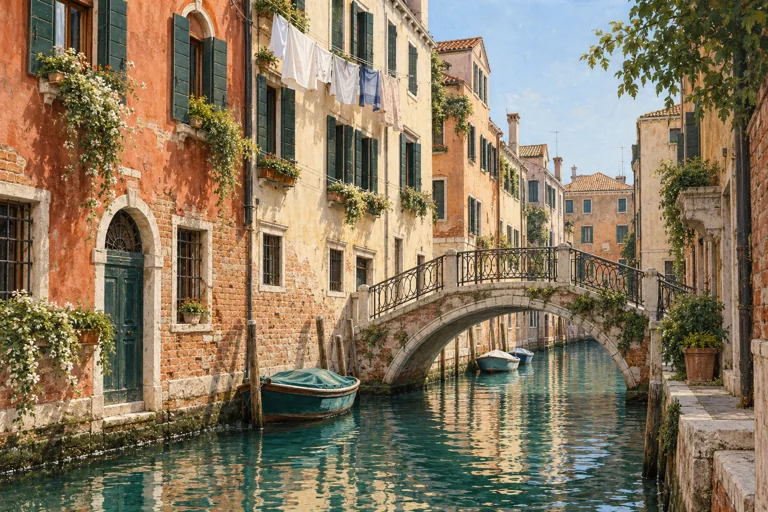
For a first visit, consider a waterfront walk between the Palanca and Zitelle areas, with the Redentore as a useful intermediate landmark. This is a suggested focus, not a timed route or a promise of uninterrupted level paving. Consult a current map, account for bridges and choose a shorter section if that better suits your energy or mobility needs.
There is no obligation to include every part of Giudecca in one outing. A modest route gives you room to pause, find a place for a drink if you wish, or turn back when the weather changes. Decide which landing is your intended finish before wandering away from the waterfront. A photograph of a boat stop is not a substitute for knowing where its services go.
Read the crossing in both directions
ACTV’s current waterborne-route page lists line 2 through Giudecca and the circular lines 4.1 and 4.2 through the area. That information is a starting point for choosing a connection, not a guarantee that every boat at a landing serves the destination you want next. Check the current timetable, direction and any service notices for your particular journey.
The landing letter can matter as well as the stop name. Follow the signs and confirm the destination before boarding. Do not copy a departure time from an old festival notice or a saved timetable image without checking its validity. If you have an onward train or timed museum entry, allow a margin that reflects waiting, boarding and the walk at the other end.
Let the opposite shore become a comparison
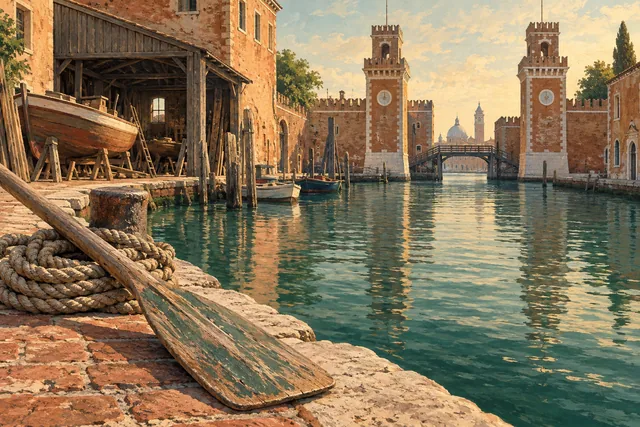
Across the water, familiar outlines can appear newly related. Instead of trying to name every building, compare the long horizontal waterfront with the interruptions made by towers, domes and landings. Watch how an approaching boat changes the scale of the view. These are observations of a working waterway, where passenger and service movements continue around visitors.
Stay clear of landing entrances and the space needed for people to board or disembark. Avoid standing at an unprotected edge for a photograph, particularly in wet or windy conditions. A waterfront is not an empty stage set: residents, deliveries and everyday journeys deserve the same space you would want on your own street.
Look beyond a single picturesque identity
Venezia Unica’s account describes Giudecca’s changing combination of gardens, religious houses, commerce, industry and residential life. That variety helps explain why a walk may bring different scales and building types close together. It also cautions against labelling the whole area as either an untouched old village or a former industrial zone with only one story.
Choose one visible change in scale to investigate later, rather than inventing a former use from a facade. A large building might invite questions about storage, manufacture or institutional life, but its appearance alone does not settle the answer. Public routes are enough for this exercise. A courtyard, workshop or converted building is not open to casual visitors merely because an itinerary mentions it.
Keep interiors and islands separate
The Redentore can anchor the walk visually even if you do not enter. If you want a church visit, check its own current access arrangements and respect services. Likewise, a garden, gallery or foundation requires its own opening information. Adding several unconfirmed interiors can turn an easy outdoor plan into a series of closed doors.
San Giorgio Maggiore is another island, not the final section of a continuous pedestrian route from Giudecca. Venezia Unica explicitly directs visitors to use a vaporetto for that connection. Add it only if the transport and visit time fit comfortably. A view of its buildings across a narrow stretch of water should not be mistaken for a walkable link.
Our waterbus planning guide, Redentore article and tide-forecast guide help with the practical details. Browse Venice walking experiences for their actual meeting points and route demands. Rome’s Testaccio neighbourhood guide provides a useful comparison for looking at work and everyday life. On Giudecca, a confirmed route home gives the walk room to remain curious and unhurried.
Sources & further reading
Turn a good read into a great day.
Find a highly rated Venetian experience that brings these stories to life.
Explore related experiences →