Venice’s San Sebastiano: how do you look at Veronese’s painted church?

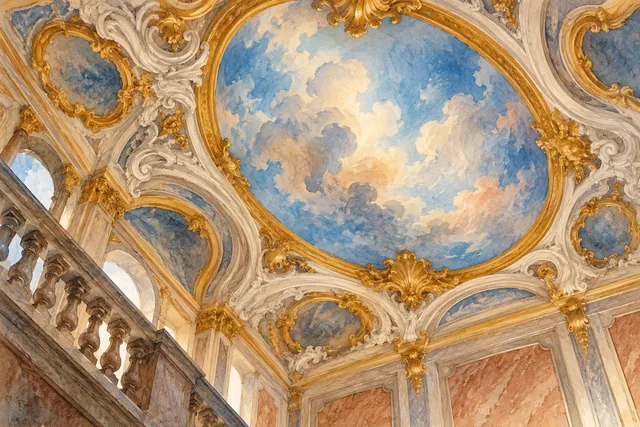
At San Sebastiano, the first challenge is wonderfully simple: where should you look? A picture on a gallery wall usually presents itself at a manageable height. In this Dorsoduro church, painted surfaces ask you to look upward, across and towards the altar. That movement is part of the experience. Give your neck a rest occasionally; a good art visit need not become an endurance sport.
This is a church associated especially with Paolo Caliari, known as Veronese. It is not a detached room of his paintings transferred into a museum. Begin with our Dorsoduro art-day guide and make San Sebastiano your main appointment rather than squeezing it between several ambitious collections. A short, attentive encounter can leave a clearer memory than a whole afternoon of hurried recognition.
Let the building organise your first look
Stand where visitors are allowed and first trace the main volume of the interior. Notice the single nave, the raised choir above the entrance area and the relationship between the central space and the sanctuary. The Chorus description identifies these architectural elements. They give you a framework before the many figures and stories begin to compete for attention.
Choose one painted area and describe its shape before trying to identify its subject. Is it framed as a separate panel? Does the composition seem to continue beyond an architectural edge? Where do bodies, draperies or gestures pull the eye? These are useful observations even if you cannot name anyone depicted. You are learning how a surface works, not taking an examination in biblical identification.
Follow a commission that developed over time
Chorus dates Veronese’s work here in several phases beginning in 1555, with sacristy and ceiling decoration followed by other parts of the church. The main ceiling draws on the Book of Esther; later work includes the altar painting and large sanctuary canvases. That sequence matters because the ensemble was made through sustained work rather than appearing in a single uninterrupted burst of inspiration.
Keep the historical outline brief enough to remember. Then select one scene that is currently visible and use the label or an authorised guide to establish its subject. Look again after reading: does the narrative change which figure you treat as central? Our guide to looking closely at Venetian painting offers the same useful discipline of separating what you see from what you infer.
There is no need to interpret every colour as a coded message. An explanation supported by a label is different from an attractive guess. If travelling with someone, each choose one detail and compare what caught your attention. The difference can be surprisingly revealing. One person notices balance; another follows an awkwardly bent knee or an unexpected glance. Both have begun looking properly.
Remember that artistic access and worship differ
The official page checked on 21 October 2026 lists artistic visits Monday to Saturday, 10:30–17:00, with final admission ten minutes before closing. It lists religious celebrations separately. Confirm the current information before travelling, particularly around holidays or special services. A worship time is not an alternative museum slot, and a door being open does not establish permission for unrestricted sightseeing.
Read the current Chorus visitor guidance for admission arrangements. Follow staff instructions on photography and movement, dress appropriately and keep conversations quiet. If you need seating, step-free access or a route avoiding prolonged upward viewing, ask about the actual conditions. An attractive exterior photograph cannot answer those practical questions.
Give the paintings space in the rest of your day
Afterwards, pause outside before returning to a busy route. Try recalling one relationship between painting and architecture without immediately checking your photographs. This small exercise helps distinguish a visit you experienced from one you merely recorded. For another day, our San Rocco guide provides a contrasting setting for a sustained painted ensemble.
The Venice experiences collection can help you compare guided art walks, but check the stated stops: a general Dorsoduro itinerary does not automatically include San Sebastiano admission. If your journey continues to Verona, use the Sant’Anastasia visiting guide to continue thinking about art within an active church. Let each building set its own pace and rules.
Sources & further reading
Turn a good read into a great day.
Find a highly rated Venetian experience that brings these stories to life.
Explore related experiences →